
Logic doesn’t win the room. Emotion does.
The smartest person in the room rarely wins the decision


You’ve been there. The data was solid. The argument was airtight. You’d prepared for every question.
And the room still didn’t move.
No one pushed back. No one said you were wrong. They just, somehow, didn’t buy it. The decision went a different way, or got delayed, or quietly died. And you left wondering what on earth happened.
Here’s what happened: logic got you heard, but it didn’t get you followed.
The belief most neurodiverse leaders carry
There’s an assumption baked into how many neurodiverse tech leaders communicate. It goes something like this: if the reasoning is sound, people will agree.
It’s a reasonable assumption. It’s also wrong.
In exec rooms, decisions aren’t made on logic alone. They’re shaped by emotional resonance, status, identity, and perceived risk. People back ideas that feel safe, protect their credibility, and align with how they want to be seen. The best argument in the room doesn’t automatically win. The most emotionally intelligent one often does.
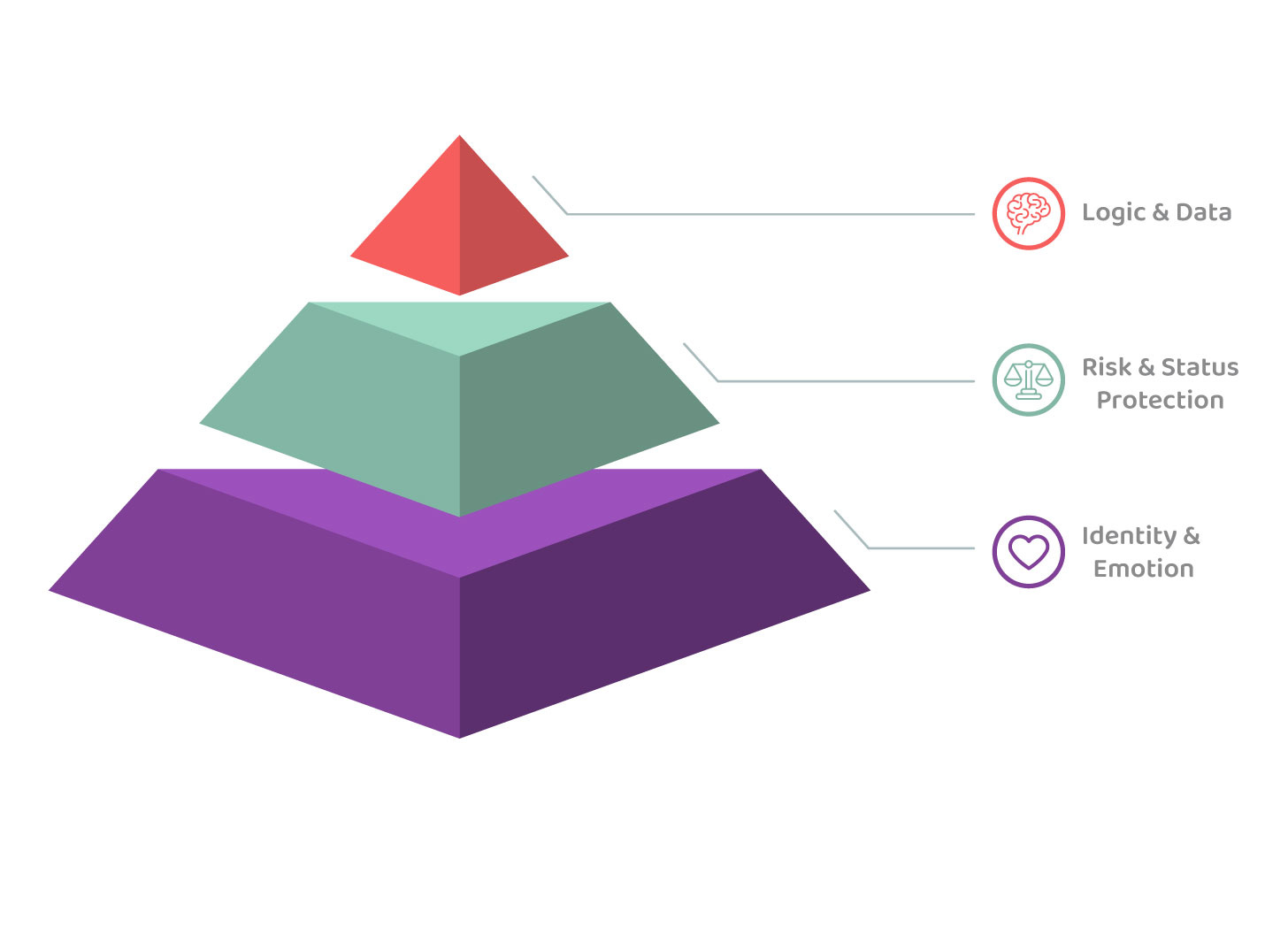
Most neurodiverse leaders have been told to suppress emotion at work. Keep it professional. Stay rational. But emotion isn’t the problem. Ignoring the emotions in the room is.
What changed for one product leader
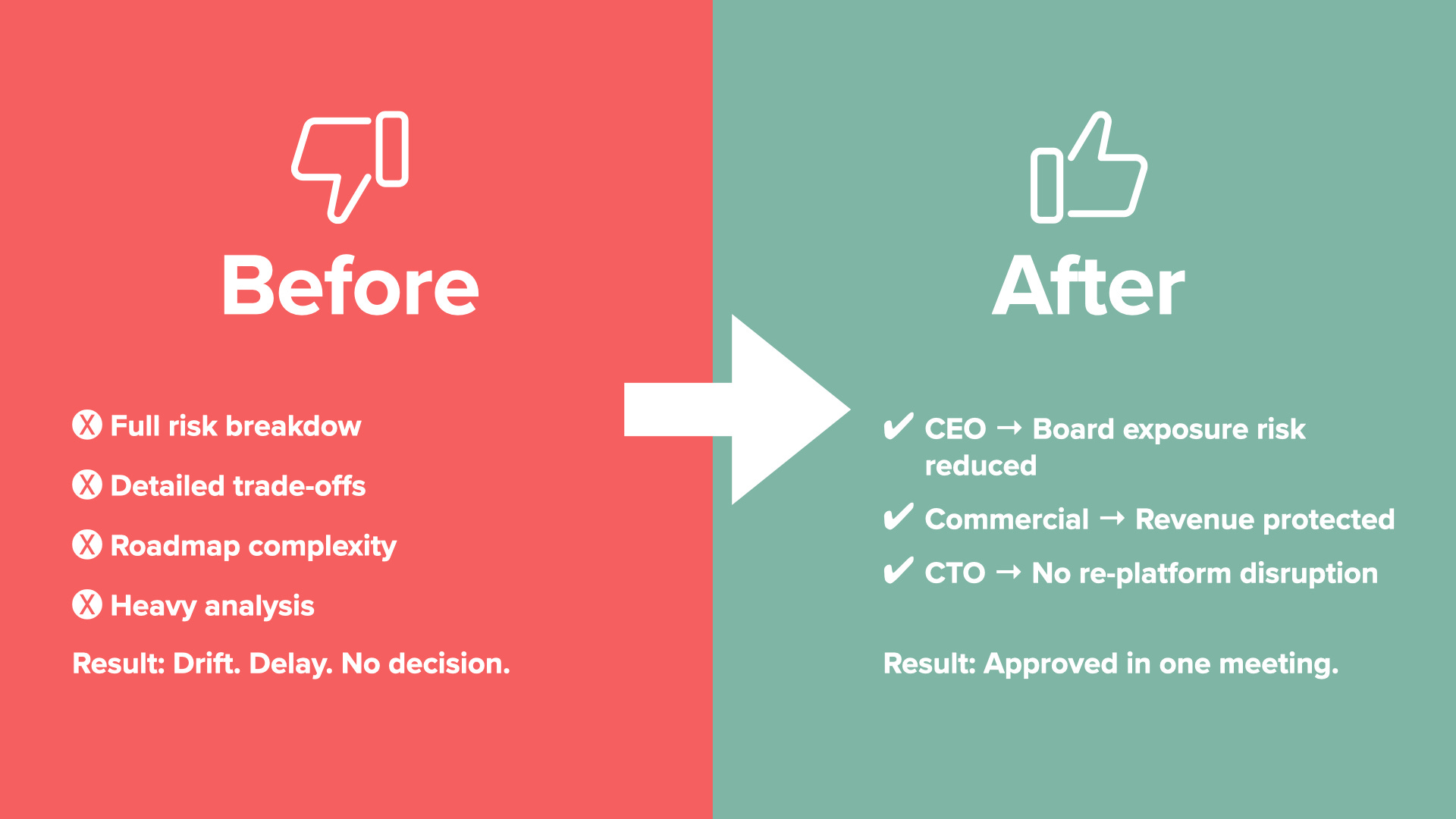
A Head of Product was consistently losing buy-in. Not because his ideas were weak, but because his preparation was flawless in the wrong direction.
Every presentation was thorough. Every risk is documented. Every trade-off is analysed. And every time, the CEO drifted towards the commercial director’s simpler, sketchier view of the roadmap.
The shift came when he stopped asking “how do I explain this better?” and started asking “what does each person in this room need to feel in order to say yes?” The keyword here is “feel”.
The CEO feared being exposed to the board on delivery risk. The commercial director wanted to protect his revenue targets. The CTO wanted to avoid another re-platforming conversation.
He reframed the same proposal in light of those concerns. Same idea. Different emotional frame. It was approved in one meeting.
One question that changes everything
Before your next high-stakes conversation, ask yourself two things:
What does this person fear losing?
What do they want to be seen as?
Frame your message around the answers. Lead with what matters to them. Let the logic and data become the supporting evidence, not the headline.
This isn’t about changing your idea. It’s about translating it into the language the room is already listening to.
“But I don’t want to manipulate people.”
This is the most common objection, and it’s worth taking seriously.
There’s a real difference between manipulation and empathetic influence. Manipulation means deceiving someone into a decision that isn’t in their interest. Empathetic influence means understanding what someone cares about so your message actually connects.
You’re not hiding the truth. You’re framing it in a way that makes it easier for people to say yes to something genuinely good.
That’s not soft. That’s influence. And it’s a learnable skill, not a personality trait you either have or don’t.
The shift worth making
Logic is not the enemy. You still need clear thinking, sound analysis, and well-structured arguments. But logic alone is like having a great product with no marketing. It deserves to be bought, but that doesn’t mean it will be.
The leaders who move rooms consistently are the ones who combine sharp thinking with emotional awareness. They understand what the room needs to feel in order to follow them.
That’s the gap between being right and being influential. And it’s closer than you think.
If you want a practical method for making your thinking land as an influence, the free CALM Leadership Masterclass is designed to help you.